
For most of my life, I believed I was bad at friendship.
Not careless. Not cruel. Just… off somehow.
Too attached. Too intense. Too hurt when things shifted. Too confused when closeness dissolved without explanation. I watched friendships drift away and told myself it was normal — that everyone loses friends as they grow up.
But what I didn’t understand — what many adult women don’t — is how attention deficit hyperactivity disorder quietly shapes our personal relationships, especially friendship.
For late diagnosed ADHD women, friendship isn’t just social. It’s emotional infrastructure. It’s regulation. It’s belonging. And when it fractures, the fallout can ripple through our entire lives.
Friendship Is Where ADHD Shows Up First — and Hurts the Most
ADHD doesn’t just affect focus or productivity. It affects how we connect.
In friendships, ADHD can look like:
- Feeling things more intensely
- Becoming deeply bonded very quickly
- Struggling with emotional regulation in conflict
- Taking distance personally
- Overanalyzing tone, silence, or changes in behavior
- Carrying feelings of inadequacy long after interactions end
These aren’t character flaws. They’re own symptoms of a nervous system that processes connection differently — especially for women whose ADHD went unnoticed.
The ADHD struggle in friendship is rarely loud. It’s quiet, internal, and deeply personal.
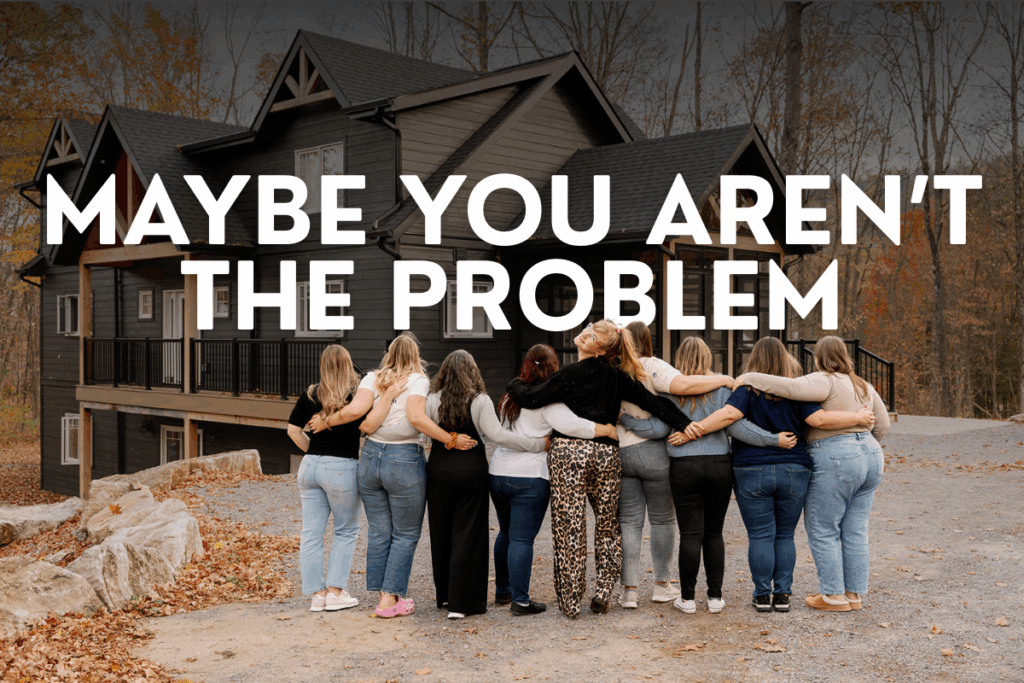
ADHD Friendship Pain Starts in Early Childhood

For many women, friendship wounds trace back to early childhood.
As young girls, we’re taught to prioritize harmony. To be agreeable. To manage emotions in ways that align with societal norms, societal expectations, and ideas of appropriate behavior.
But ADHD often makes emotional experiences bigger — not inappropriate, just bigger.
Girls who feel deeply, react strongly, or struggle with executive function around emotional regulation quickly learn that their reactions are “too much.”
So they adapt.
They become hyper-aware of others.
They suppress their needs.
They internalize conflict.
Because fewer girls are diagnosed early, many grow up believing their friendship struggles are personal failures rather than neurological differences. These patterns highlight critical gender differences in how ADHD shows up in relationships, with girls learning to internalize conflict instead of express it.
The Inattentive ADHD Friendship Pattern No One Talks About
For many women, ADHD presents as inattentive symptoms, not impulsivity.
This can impact friendship in subtle but painful ways:
- Forgetting to text back — then feeling crushing shame
- Losing track of time and unintentionally disappearing
- Being fully present… or completely overwhelmed
- Struggling to maintain consistency in daily life
These symptoms of inattentive ADHD are often misread by friends as disinterest or carelessness, leading to misunderstandings and quiet resentment.
The result is distance that feels sudden — and devastating.
Growing Up With Feelings of Inadequacy You Can’t Explain

Living with undiagnosed ADHD often means growing up with persistent feelings of inadequacy, even when there’s no obvious reason for them.
You know you’re capable — yet everything feels harder than it should.
Over time, repeated friendship ruptures and unspoken rejection can quietly erode low self-esteem, especially for women who assume the problem must be them.
These negative impacts compound over time, shaping how women see themselves in every relationship that follows.
The ADHD Struggle Follows You Into Adult Friendship
By adulthood, the ADHD struggle has evolved.
It might look like:
- Chronic burnout
- Difficulty managing emotional energy
- Feeling overstimulated in social situations
- Struggles maintaining closeness without exhaustion
Many adult women with ADHD don’t struggle because they lack social skills — they struggle because they’ve spent years masking their nervous system in relationships.
Living in a state of constant emotional monitoring creates chronic stress, making even small friendship shifts feel overwhelming to the ADHD nervous system and deeply affecting overall quality of life.
When ADHD Is Misread as a Mental Health Condition
Before diagnosis, many women are told their friendship struggles stem from mental health issues.
They’re labeled:
- Too sensitive
- Anxious
- Codependent
- Dramatic
An anxiety disorder is often diagnosed first — because the emotional fallout of ADHD in relationships looks like anxiety on the surface.
But when untreated ADHD goes unrecognized, the emotional fallout often shows up as anxiety, relational burnout, and chronic self-blame — especially in friendships. For many women, anxiety isn’t the root problem; it’s the byproduct.
This distinction is increasingly supported by recent research on ADHD in women.
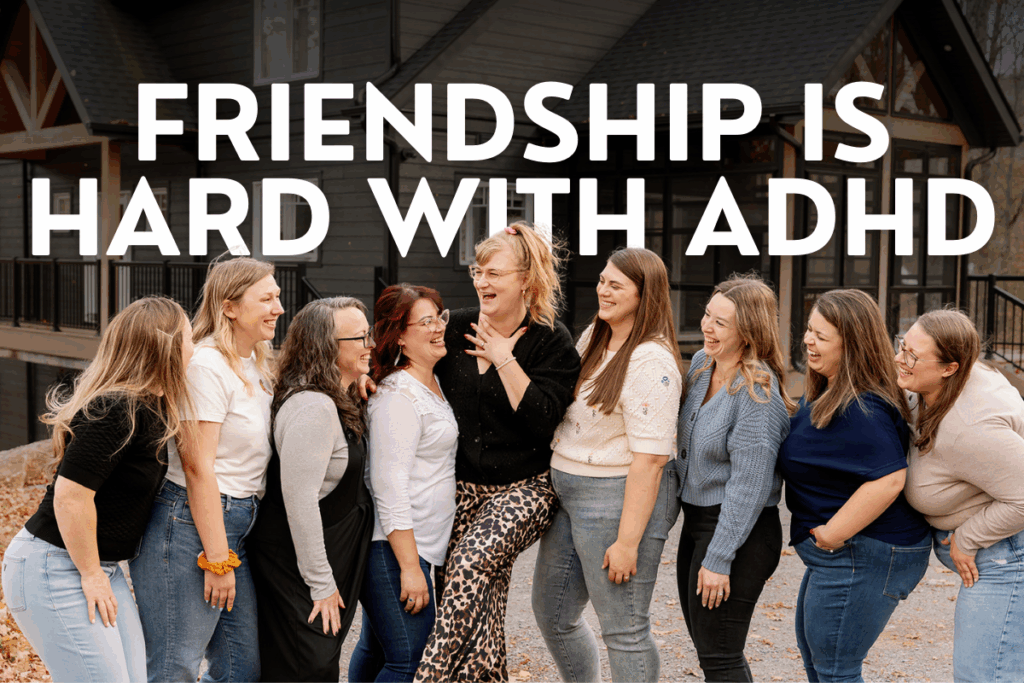
Friendship, Hormones, and Emotional Volatility
One reason friendship feels especially hard for women with ADHD is that emotional regulation is influenced by hormonal fluctuations.
Changes across the menstrual cycle, pregnancy, postpartum, and perimenopause can intensify ADHD symptoms — including rejection sensitivity and emotional reactivity.
These hormonal changes can make relational stress feel unbearable at certain times, even when nothing “big” has happened.
Without understanding this biological layer, many women blame themselves — compounding shame and worsening the negative impacts on self-trust.
Family Members Often Don’t See Friendship Loss as Trauma
When friendships end, family members often minimize the pain.
“You’ll make new friends.”
“That’s just adulthood.”
“People grow apart.”
But for women with ADHD, friendship loss isn’t just social — it’s neurological.
Friendships often provide regulation and grounding. Losing them can destabilize emotional balance, worsen ADHD symptoms, and intensify existing mental health conditions.
The grief is real — even when it’s invisible.
From Young Women to Older Woman: Friendship Across the ADHD Lifespan
Friendship challenges don’t disappear with age.
For young women, ADHD friendship struggles often center on intensity, closeness, and rejection sensitivity.
For an older woman, they may show up as:
- Reduced tolerance for masking
- Exhaustion from maintaining social energy
- Grief over long-term friendships that no longer fit
Across every stage, ADHD creates unique challenges in sustaining connection without burnout.
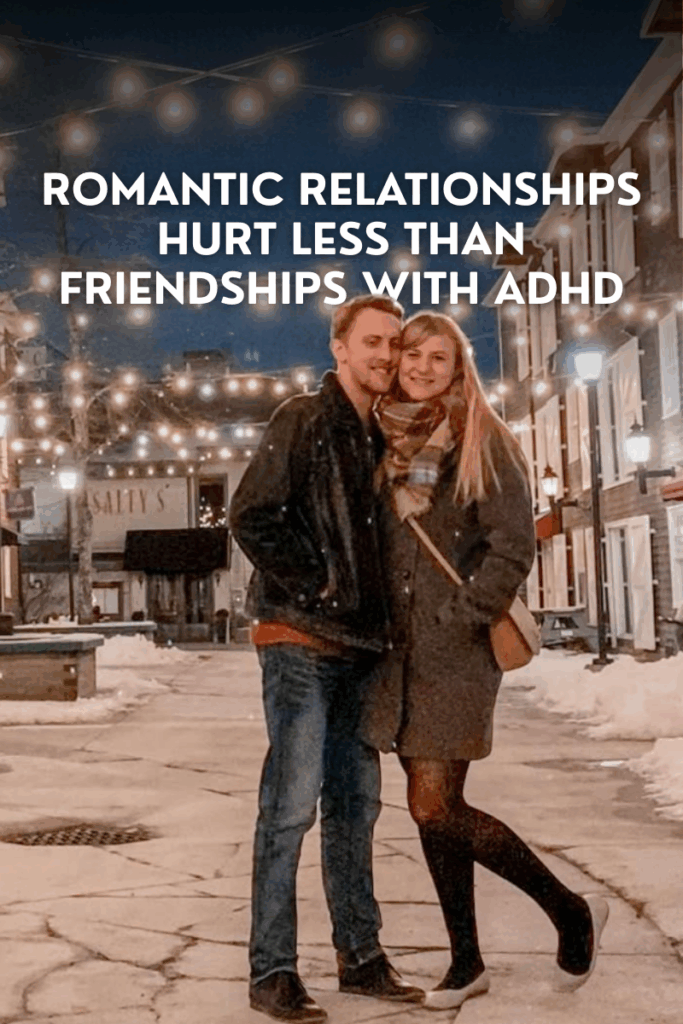
Romantic Relationships vs. Friendship: Why Friendship Loss Can Hurt More
ADHD is often discussed in the context of romantic relationships, but friendship deserves equal attention.
Friendships operate on unspoken rules.
Silent expectations. Subtle shifts.
For ADHD women, this ambiguity can be destabilizing.
Without clarity, the mind fills in gaps — usually with self-blame.
ADHD, Career Success, and Friendship Burnout
Many women with ADHD maintain a successful career while their friendships quietly suffer — not from lack of care, but from depleted emotional capacity.
Work comes with urgency, structure, and deadlines — things ADHD brains respond to well. Friendship requires sustained, unstructured emotional labor.
Without support or intentional lifestyle changes, friendships fall to the bottom of the list — followed by guilt, shame, and disconnection.
What Changes After an ADHD Diagnosis
For many adult women, an ADHD diagnosis doesn’t just explain productivity struggles — it reframes years of friendship pain, emotional intensity, and self-doubt.
A late diagnosis of ADHD doesn’t erase grief — but it replaces shame with context.
Suddenly, patterns make sense:
- Why closeness felt intense
- Why rejection felt catastrophic
- Why masking was exhausting
And context creates compassion.
What Effective Treatment Looks Like for Friendship
Effective treatment for ADHD-related friendship struggles isn’t about becoming less emotional.
It’s about:
- Understanding your nervous system
- Naming signs of ADHD in relationships
- Communicating needs clearly
- Choosing friendships that allow flexibility
- Exploring options like therapy, coaching, and sometimes stimulant medications
The goal isn’t fixing ADHD — it’s supporting the person who has it.
Rewriting the Story of Women’s Experiences With Friendship
For too long, women’s experiences of ADHD in friendship have been minimized.
But friendship loss can be one of the most painful negative impacts of ADHD that goes unrecognized — shaping identity, confidence, and trust.
You weren’t bad at friendship.
You were navigating connection without a rulebook.
If Friendship Has Always Felt Hard, This Might Be Why
If you’ve spent years wondering why friendship feels heavier for you — why endings hurt so deeply, why closeness feels risky, why distance feels devastating — this isn’t a personal flaw.
It’s a nervous system that feels deeply.
It’s a brain wired for connection.
It’s ADHD — unnamed for too long.
And understanding that can change everything.
Final Note
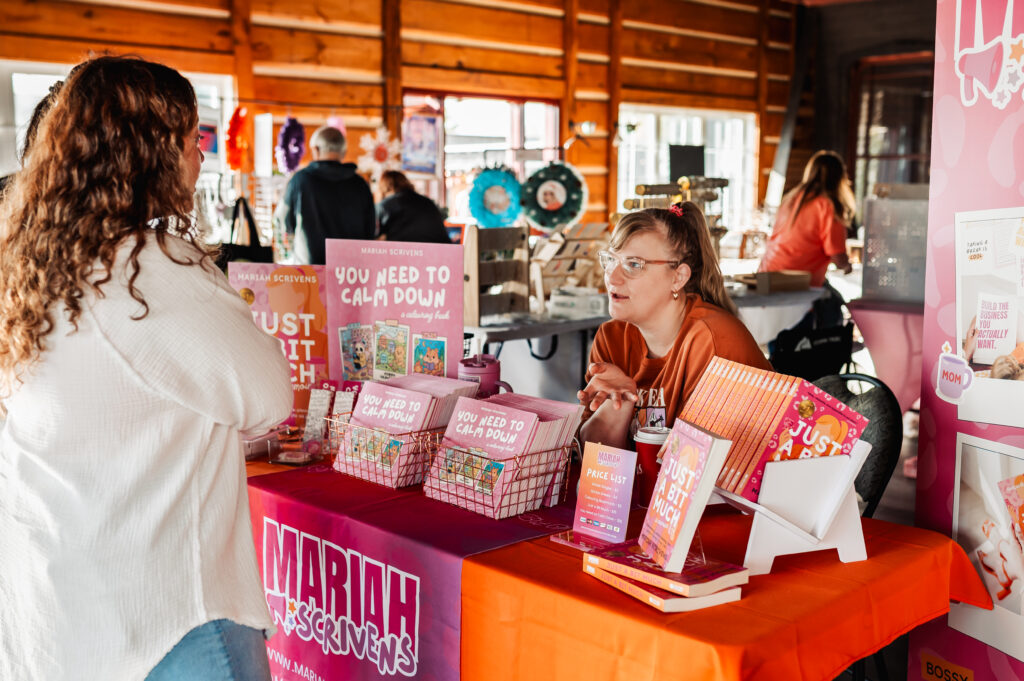
This post reflects lived experience and the relational themes explored in Just a Bit Much — a memoir about burnout, identity, and the friendships that shape us, fracture us, and ultimately teach us who we are.
You’re not too much.
You weren’t failing at friendship.
You were unsupported.
And now, you get to choose connection that feels safe again.