For most of my life, I didn’t think I had attention deficit hyperactivity disorder.
I thought I was sensitive.
I thought I was dramatic.
I thought I was bad at rest, bad at friendships, bad at being calm, and somehow excellent at holding everything together while quietly unraveling inside.

I was a high-achieving kid. A “pleasure to have in class.” A young woman who built a successful career and looked, from the outside, like she was doing everything right.
What I didn’t know — what so many late diagnosed ADHD women don’t know — is that you can function, succeed, and still be struggling deeply with undiagnosed ADHD.
This is the story of what it’s like to live your entire life adapting, masking, and compensating — only to realize much later that there was a name for the struggle all along.
Why ADHD Is Missed in Young Girls
When people picture ADHD, they often imagine a loud, disruptive child who can’t sit still.
But fewer girls fit that stereotype.
In early childhood, ADHD in young girls often looks quieter. It looks like daydreaming instead of acting out. Emotional sensitivity instead of hyperactivity. People-pleasing instead of impulsivity.
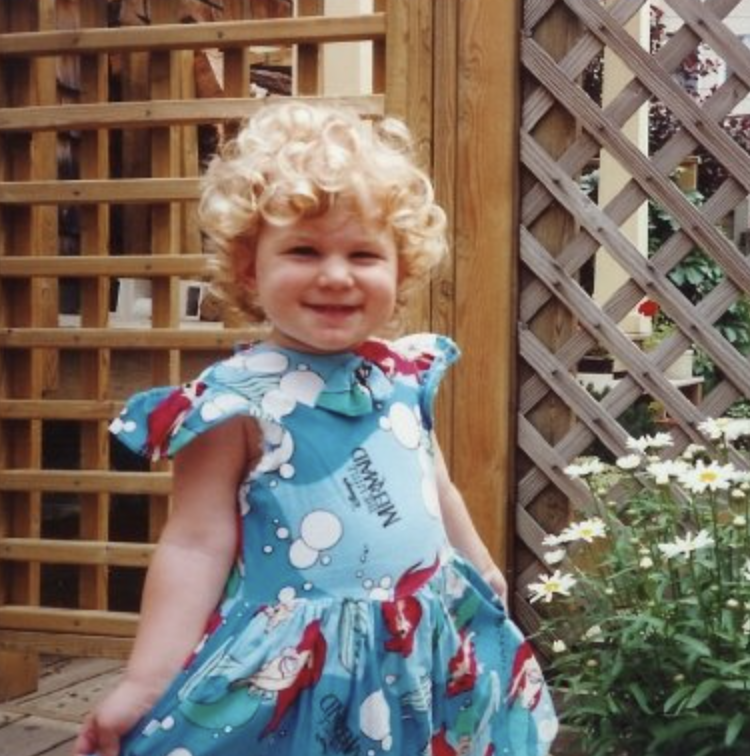
Many girls learn very early what is considered appropriate behavior — especially under rigid societal norms and societal expectations placed on girls to be agreeable, calm, and helpful.
So we adapt.
We internalize our own symptoms.
We try harder.
We become hyper-aware of other people’s feelings.
We learn to mask signs of ADHD so well that even we forget they’re there.
This is one of the most significant gender differences in how ADHD presents — and why so many women experience a late diagnosis of ADHD instead of early support.
Symptoms of Inattentive ADHD Don’t Look Like Chaos
For many women, ADHD isn’t loud. It’s internal.
The symptoms of inattentive ADHD often include:
- Difficulty initiating tasks due to impaired executive function
- Emotional overwhelm
- Forgetfulness masked by over-preparation
- Intense self-criticism
- Chronic exhaustion
- Trouble regulating focus and energy
These inattentive symptoms are easy to misinterpret — especially in bright, capable kids and young women who perform well academically or socially.
Teachers praise them.
Parents assume they’re “fine.”
Doctors miss it.
Meanwhile, the internal experience is anything but.
Growing Up With Feelings of Inadequacy You Can’t Explain
Living with undiagnosed ADHD often means growing up with persistent feelings of inadequacy, even when there’s no obvious reason for them.
You know you’re capable — yet everything feels harder than it should.
You overthink conversations.
You replay mistakes for years.
You feel like you’re always behind, even when you’re doing well.
Over time, this internal friction leads to negative impacts on confidence, self-trust, and identity. You don’t think, “This might be a neurological difference.”
You think, “What is wrong with me?”
That quiet erosion of self-belief becomes one of the most damaging consequences of ADHD that goes unrecognized.
The ADHD Struggle Follows You Into Adulthood
By the time many women reach adulthood, the ADHD struggle has evolved. It might look like:
- Feeling overstimulated in social situations
- Chronic burnout
- Difficulty managing daily life
- Emotional dysregulation
- Trouble with routines
- Struggles in romantic relationships and personal relationships
Without context, many women are diagnosed with other mental health conditions instead — including anxiety or depression. An anxiety disorder is especially common, because untreated ADHD keeps the nervous system in a near-constant state of stress.
The ADHD hasn’t disappeared.
It’s just been misnamed.
Mental Health Issues Are Often a Symptom, Not the Root
For many women, ADHD isn’t identified until after years of compounding mental health issues.
Burnout.
Anxiety.
Emotional exhaustion.
Loss of self-confidence.
These are often treated as standalone problems, rather than clues pointing toward ADHD.
Recent research increasingly shows that ADHD in women is frequently overlooked because symptoms are internalized, shaped by societal expectations, and influenced by hormonal factors throughout life.
Hormonal Fluctuations Change Everything
One of the most under-discussed aspects of ADHD in women is how much it’s affected by hormonal fluctuations.
Hormones impact: focus, emotional regulation, energy levels and stress tolerance
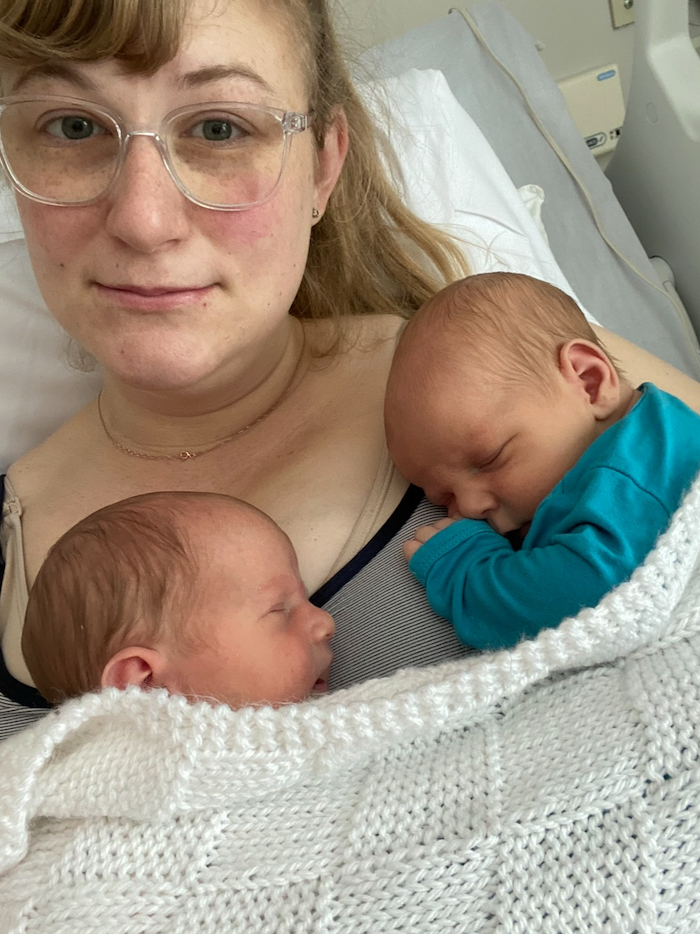
For many women, ADHD symptoms intensify during hormonal changes — including puberty, pregnancy, postpartum, and perimenopause. Even the menstrual cycle can significantly affect executive functioning and emotional resilience. Many women only recognize patterns after diagnosis, realizing that their “bad weeks” weren’t a lack of discipline — they were biology.
This hormonal component is one reason ADHD may feel manageable at some life stages and completely overwhelming at others, deeply affecting quality of life.
Family Members Often Don’t See the Full Picture
From the outside, family members may see a capable daughter, partner, or parent.
What they don’t always see is the constant mental effort required to manage daily life.
Women with ADHD often carry invisible labor:
- Remembering everything for everyone
- Regulating emotions for the household
- Anticipating needs
- Managing social expectations
Because they appear functional, their struggle is minimized — sometimes even by themselves.
The Late Diagnosis That Changes Everything (and Also Doesn’t)
A late diagnosis of ADHD can feel like both relief and grief.
Relief, because suddenly your life makes sense.
Grief, because you realize how long you navigated without support.
Many women reflect on their entire lives and wonder:
- How different would things have been with early understanding?
- How much self-blame could have been avoided?
- How many relationships might have been easier?
Diagnosis doesn’t erase the past — but it reframes it.
Treatment Isn’t One-Size-Fits-All
After diagnosis, women are often introduced to options like stimulant medications, therapy, coaching, and lifestyle changes.
For some, medication is part of effective treatment.
For others, support looks like nervous-system regulation, boundaries, structure, and self-compassion.
What matters most is not “fixing” ADHD — but supporting the person who has it.
The goal isn’t productivity at all costs.
It’s sustainability.
It’s self-trust.
It’s a life that actually fits.
ADHD, Relationships, and Emotional Intensity
ADHD can deeply affect romantic relationships and personal relationships.
Emotional sensitivity, rejection sensitivity, and difficulty regulating responses can lead to misunderstandings — especially when partners don’t understand ADHD.
Many women internalize relationship struggles as personal failure, rather than recognizing how ADHD interacts with attachment, communication, and emotional processing.
Understanding ADHD can transform how women view their relational patterns — not as flaws, but as signals for support and clarity.
From Young Woman to Older Woman: ADHD Across the Lifespan
ADHD doesn’t disappear with age.
For many women, symptoms shift as they move from young women navigating careers and relationships into becoming an older woman juggling responsibilities, caregiving, and identity changes.
Without support, ADHD can become more challenging over time — especially as hormonal changes and life demands increase.
But with understanding, support, and self-trust, ADHD can also become more manageable, less shame-filled, and far less lonely.
Rewriting the Story of Women’s Experiences With ADHD
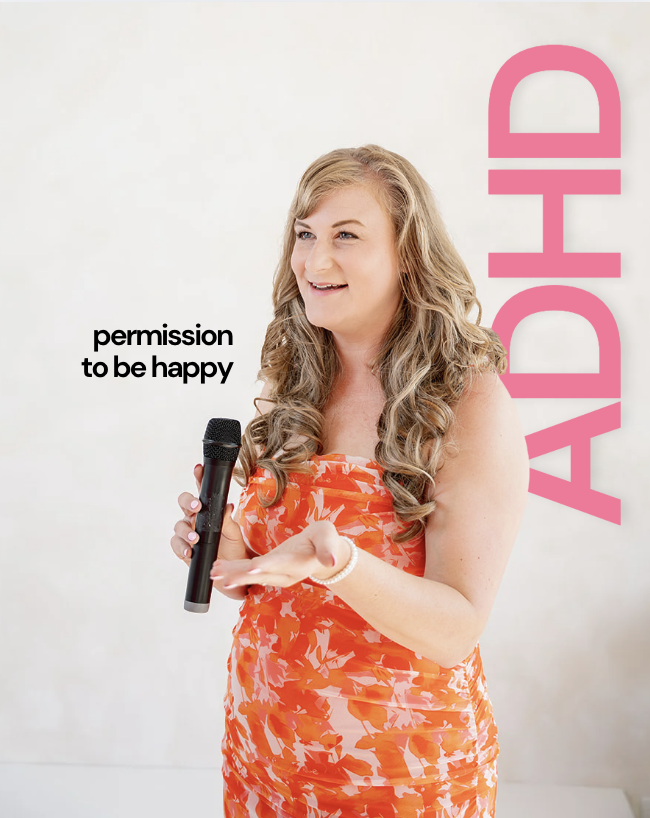
The most powerful part of late diagnosis isn’t the label — it’s the permission.
Permission to stop blaming yourself.
Permission to stop forcing yourself into systems that don’t fit.
Permission to honor your needs without apology.
Women’s experiences with ADHD are nuanced, emotional, and deeply shaped by culture. They deserve more than surface-level explanations or productivity hacks.
They deserve understanding.
What Changes When You Finally Understand Your Brain
When ADHD is named, many women report improvements in:
- Self-esteem
- Emotional regulation
- Relationships
- Work satisfaction
- Overall quality of life
Not because life becomes easy — but because it becomes honest.
Support replaces shame.
Curiosity replaces judgment.
Compassion replaces self-criticism.
If This Sounds Like You, You’re Not Alone
If you’ve spent years wondering why life felt harder than it looked — why success came with exhaustion, why emotions felt so intense, why you were always “almost okay” — this isn’t a personal failure.
This is what it looks like to live with ADHD that went unrecognized.
There is nothing wrong with you.
You were adapting without a map.
And now, you get to choose something different.

Final Note
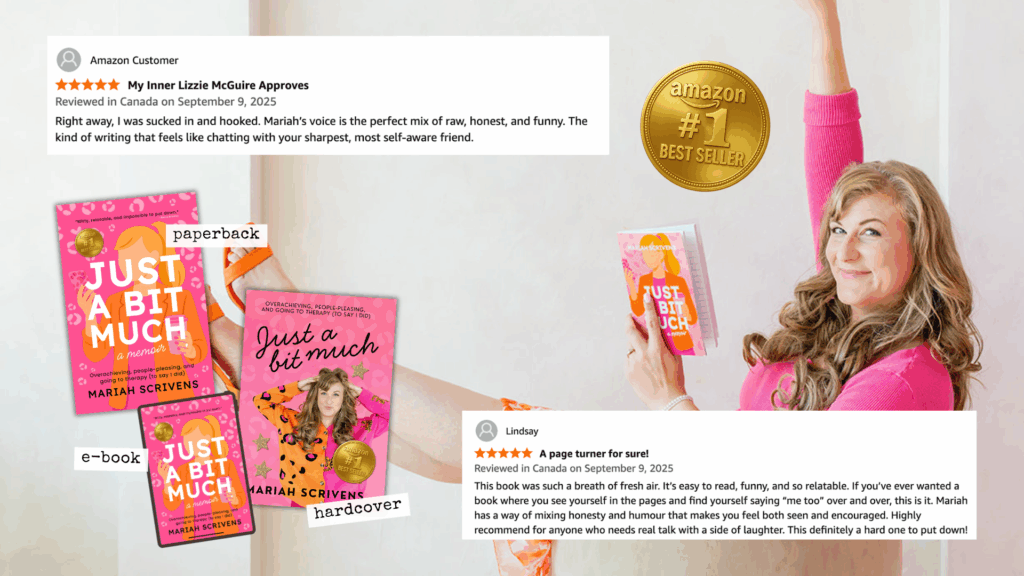
This post is rooted in lived experience and reflects the realities explored in my memoir Just a Bit Much — a story about overachievement, burnout, identity, and what happens when women finally stop performing and start understanding themselves.
If you see yourself here, know this:
You’re not too much.
You were unsupported.
And that changes everything.